
By the time the break starts the player is already there. Arriving late costs the first two notes.
The half-second that decides the break
Every instrument in a bluegrass arrangement gets a break — a solo turn in the spotlight — and every break begins with a move. Not a metaphorical move: a literal, physical step toward the microphone. The player who is about to solo closes the distance, and the ones who are not step fractionally back. This choreography is wordless and happens in the half-second before the band resolves the last chord of the vocal and hands the tune to someone else.
The timing cannot be fudged. With a single microphone doing all the work, there is no engineer riding a fader, no channel strip to pull the banjo forward and push the guitar back. The mix is made by walking — proximity is volume, proximity is presence. A player who arrives at the mic a beat late is loud on the wrong note, the one they are already past, and quiet on the one the listener needed to hear. Step too early and you have muscled in on the vocal's last line.
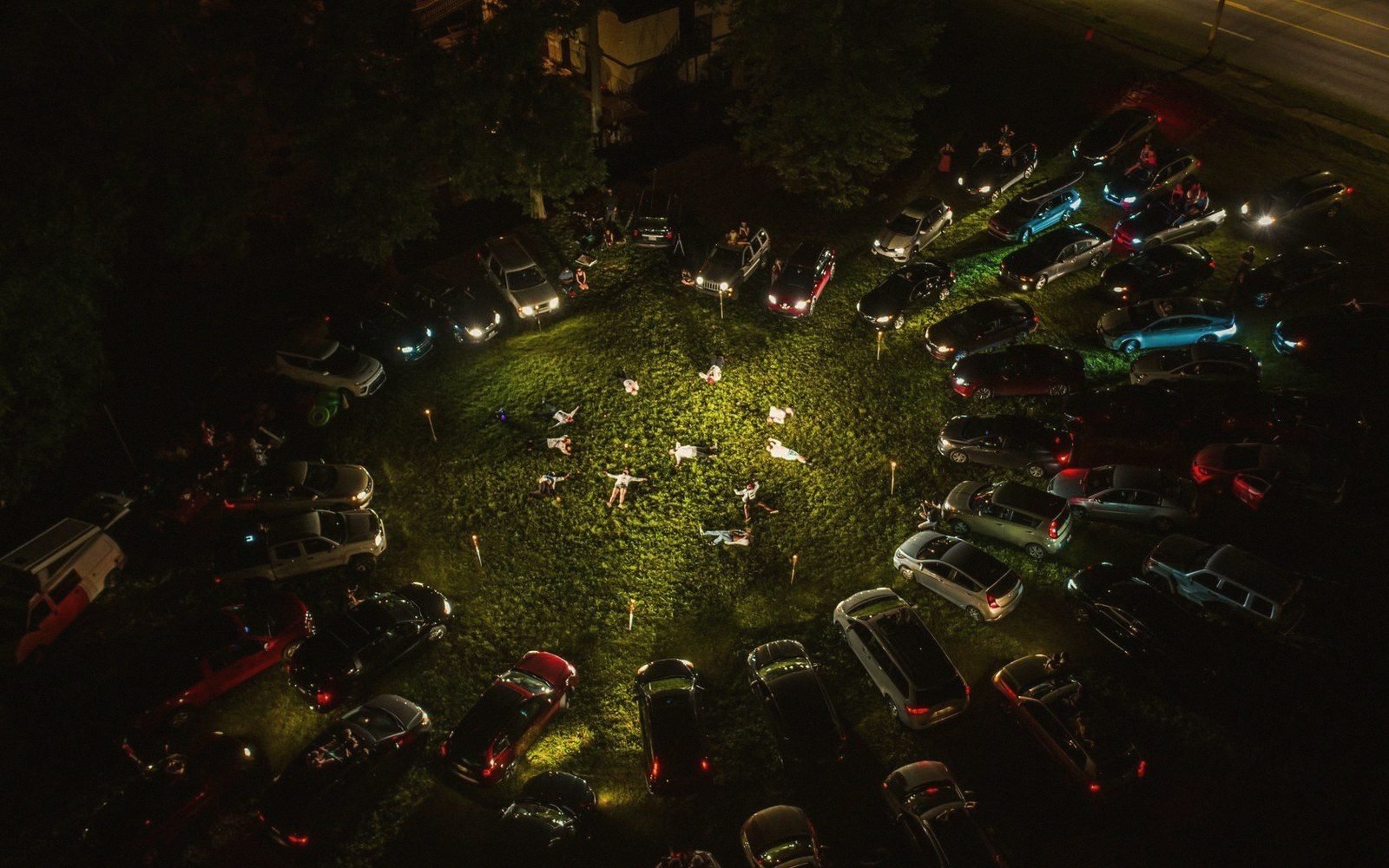
The chairs face inward because the circle, not a stage, decides who plays next.
Photo: K / PexelsWhat experienced players read is the arc of the phrase. A vocal section has a shape — it accelerates slightly toward the cadence, the singer's body begins to open up to let someone through, the last syllable is given just a little more air than the ones before it. The incoming soloist watches all of this, calculates the remaining time, and begins moving. It looks casual because it has been done ten thousand times.
There is a discipline on the other side too. The players who are yielding the microphone must actually yield it — pull back, reduce their volume, resist the instinct to stay prominent. A mandolin chop that stays too loud buries the first notes of a fiddle break; a rhythm guitar that forgets to lean away crowds the picture. The break only opens if everyone cooperates in opening it.
None of this is written down, and it is rarely discussed except when it goes wrong. A cluttered entrance — two players arriving at once, or the soloist misjudging the phrase — lands audibly. The rhythm hiccups, the solo begins from behind, and the whole circle of musicians knows immediately what happened. Recovery is possible but it takes a bar to settle. In a tune running at 130 beats per minute, one bar is not a long time to get yourself right.
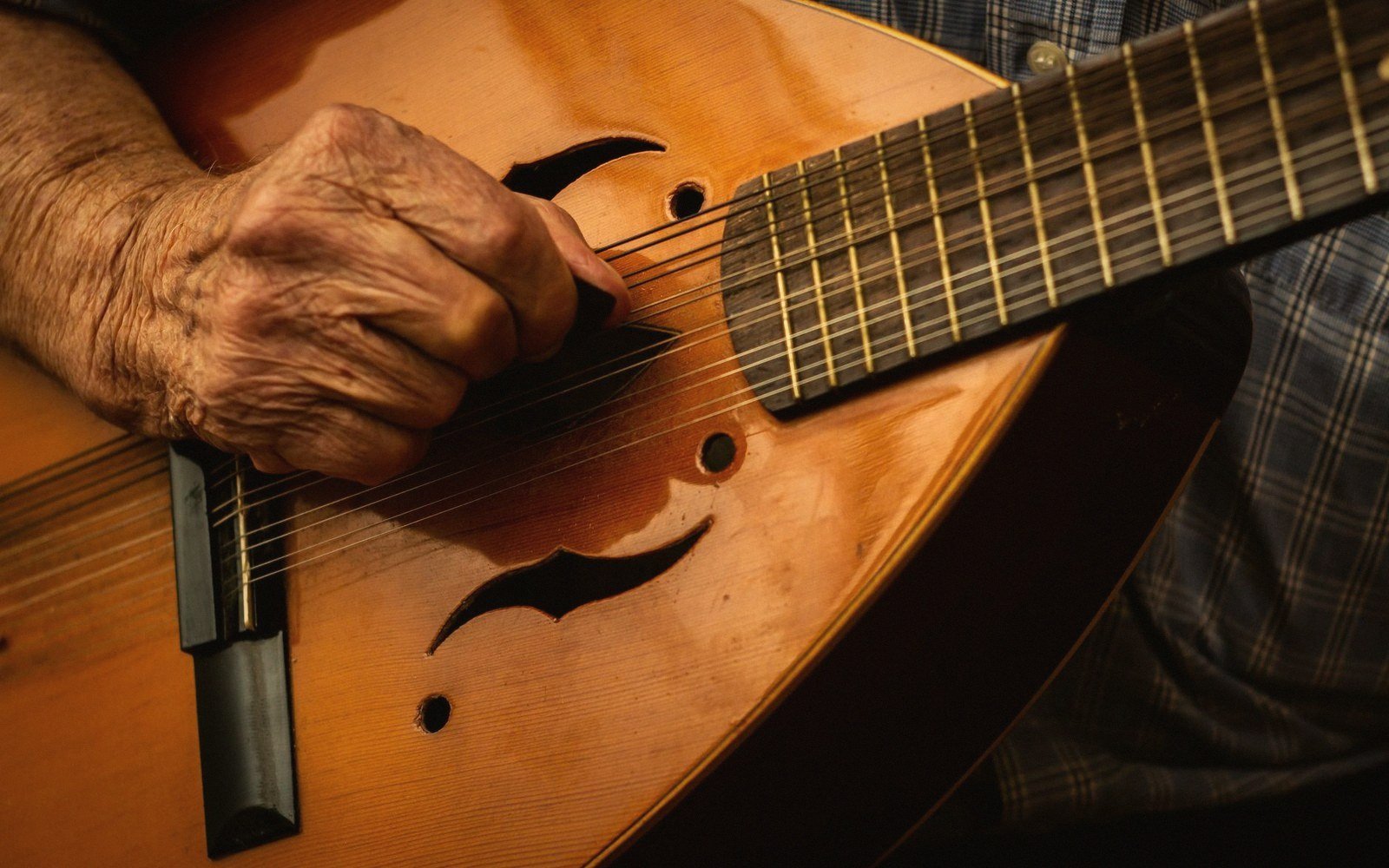
The mandolin’s short, damped chord does the work a snare drum does elsewhere.
Photo: Marcelo Renda / PexelsFiled in The Mic