The mix is made by walking
With one microphone there is no engineer balancing anything: a player steps forward to solo and back to blend, and the whole arrangement is choreography around a stand.
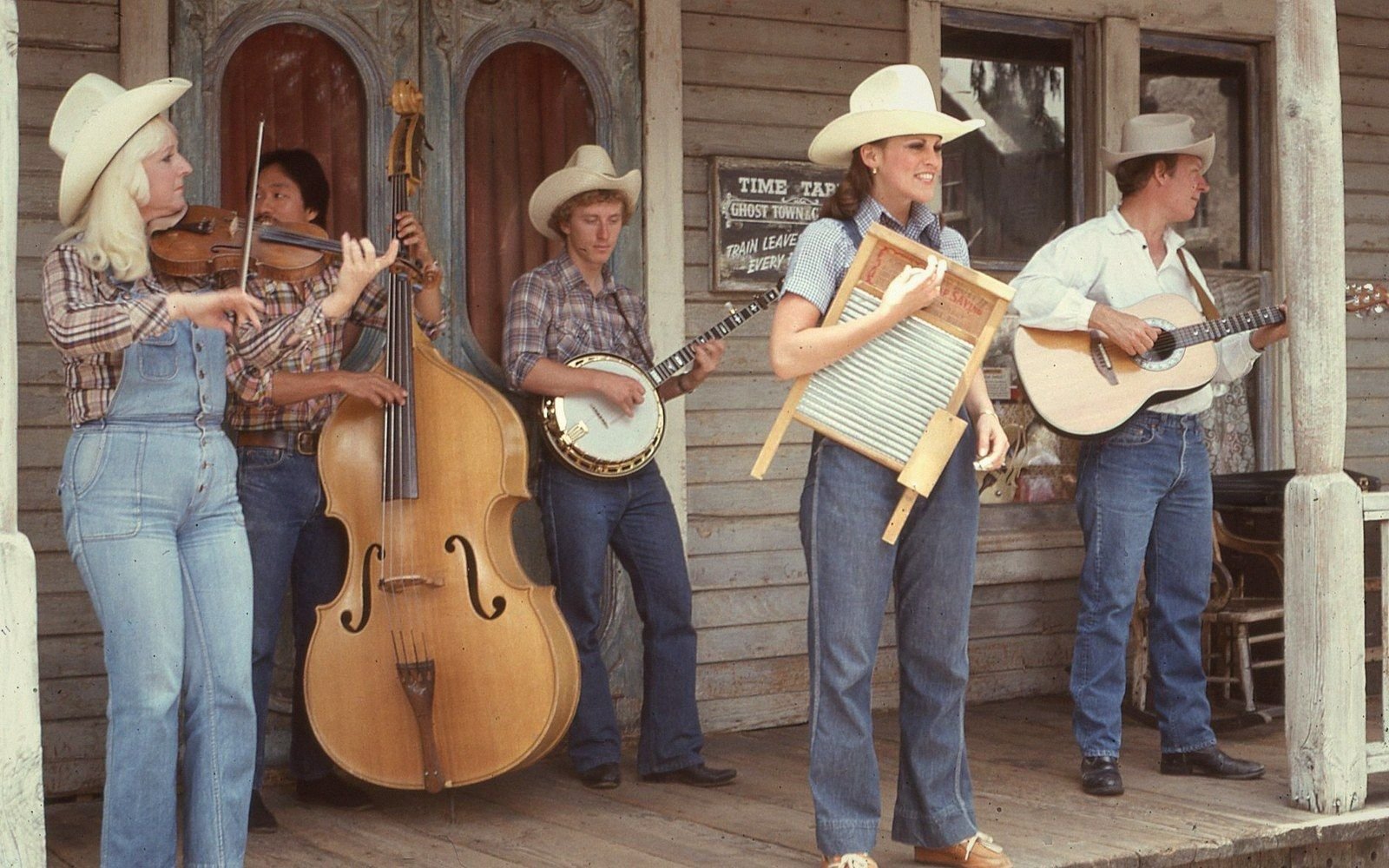
The formation is not casual. Each player’s distance from the capsule is a decision, and it is adjusted on foot.
The engineer who isn't there
In a recording studio built around multitrack technology, the mix happens after the fact. Faders move, levels ride, a compressor catches a transient that got away. The sound on the record is an assembly, shaped by decisions made in a room the musicians may have already left. None of that applies when five players stand around a single condenser microphone. There is no console, no engineer reaching for a knob. The mix is made in real time, by feet.
The principle is straightforward enough to state in a sentence: a player who is too loud takes a step back; a player who needs to be heard takes a step forward. A microphone at a fixed position in a fixed room has a fixed pickup pattern, and the inverse-square law does the rest — double the distance, roughly quarter the level. The engineer's fader is replaced by a shoe sole on a wooden floor, and the decision that would take a mixing board half a second is made by the player's own ear in the moment. The simplicity is real, but the skill involved is anything but simple.
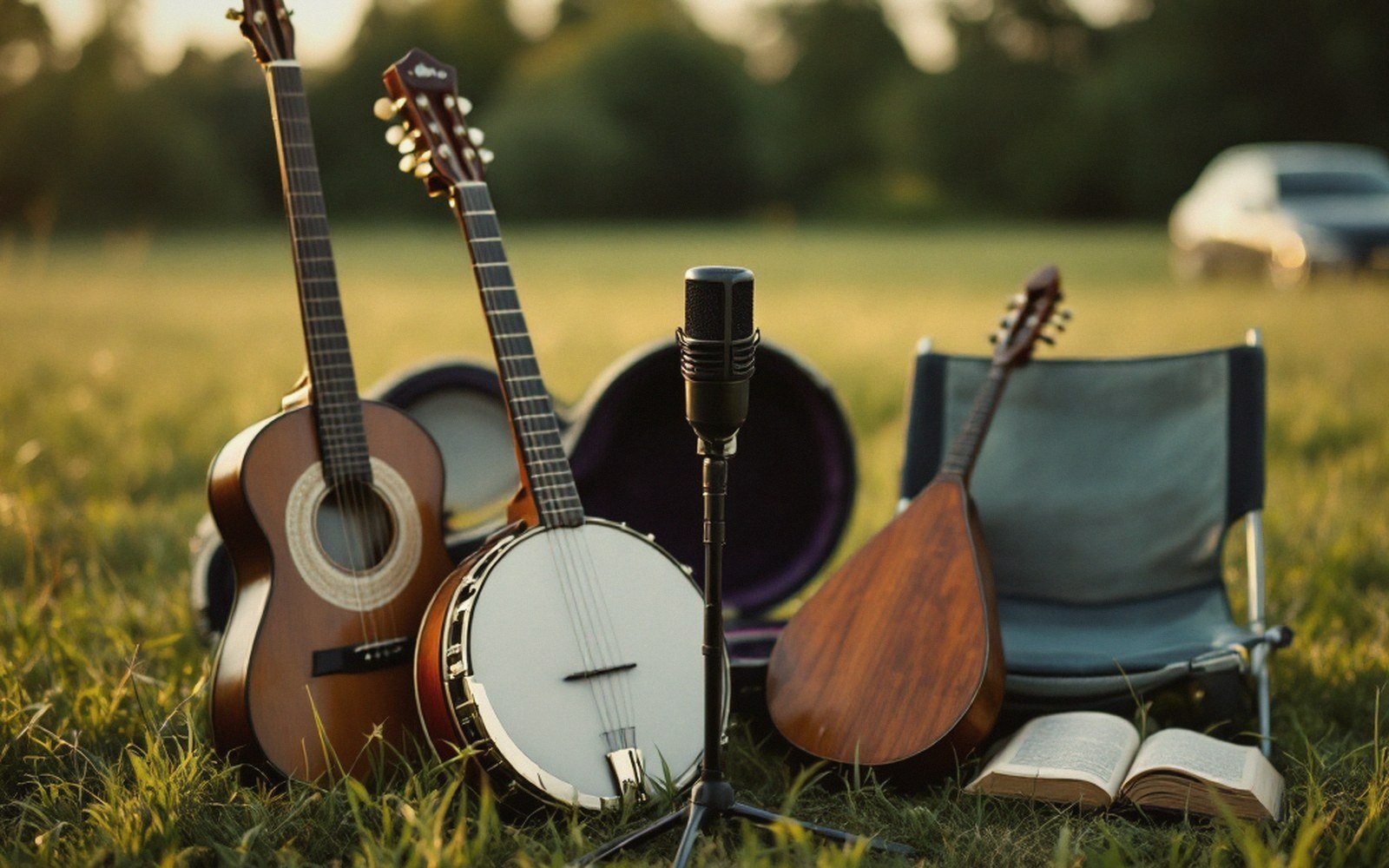
One capsule for the whole band. Everything the audience hears is a decision about distance from it.
How the choreography works in practice
A song begins and five players find their positions: not randomly, but in a formation understood well before anyone counted in. The guitar sits close to center, because the guitar holds the floor — bass runs and rhythm need to anchor the blend without overwhelming it, and the guitar player calibrates that distance by listening. The banjo tends to want distance; the instrument's brightness and attack project readily, and a player who crowds the microphone will cut through everything else in a way that quickly becomes unmusical. The roll that never stops is continuous by design, which means its relationship to the microphone is continuous too — no moments where it drops away and no moments where it can safely push closer.
The mandolin chop sits in the midrange of both frequency and distance, its short percussive hit contributing percussion and harmonic color without the sustain that would smear the blend. When the break comes and the mandolin plays a lead, its player steps forward — not dramatically, not by many feet, but enough that the melody speaks above the rhythm instruments now sitting back behind the vocal position. The movement is the mix.
Vocal passages are where the principle becomes most visible. A lead singer and a tenor will have worked out, probably without ever discussing it consciously, how to align their positions relative to the microphone so that both voices reach it with roughly equal presence. Bluegrass harmony works because the blend is physical as much as musical — stacking above the melody means two voices hitting the same capsule from the same distance, producing a combined signal no engineer actually assembled. The quartet chorus adds two more, and suddenly the geometry matters enormously: one player a half-step too close and the blend tips.
The fiddle is the instrument that moves most dramatically. In the verse, a fiddle player holds back, filling the gap at the end of a line rather than competing with the voice. But when the fiddle break arrives, the move to the microphone is decisive and visible. There is a moment — described in stepping in — that half-second before the break begins, when the player has to already be arriving, not just starting to move. That positioning is choreography under tempo. Miss it and the first note of the solo is in the wrong acoustic relationship to the microphone; it enters too quiet or too loud before the player can correct.
The simplicity is real, but the skill involved is anything but simple.
What the ear hears versus what the feet do
The listener, if they are watching a live performance arranged this way, sees the music being made in both senses: the fingers on strings and the bodies in space. A film of a classic bluegrass recording session is partly a record of musicians moving, and the motion is not random or nervous — it is purposeful, it is rehearsed in the same way the vocal harmonies are rehearsed, and it is as much a part of the arrangement as any written chart would be.
What the ear receives from this arrangement has a characteristic quality that close-miking does not replicate. When every instrument reaches the same capsule from varying distances and angles, what arrives at the listener is a single blended signal that carries the room in it — the air between the musicians, the slight acoustic tail of whatever space they are standing in. The instruments are not isolated; they are genuinely playing together in a shared acoustic, and the microphone reports what that sounds like. The result is cohesion. It is why old recordings made this way, on equipment that would be considered rudimentary now, still sound like a band rather than like five separate tracks summed together.
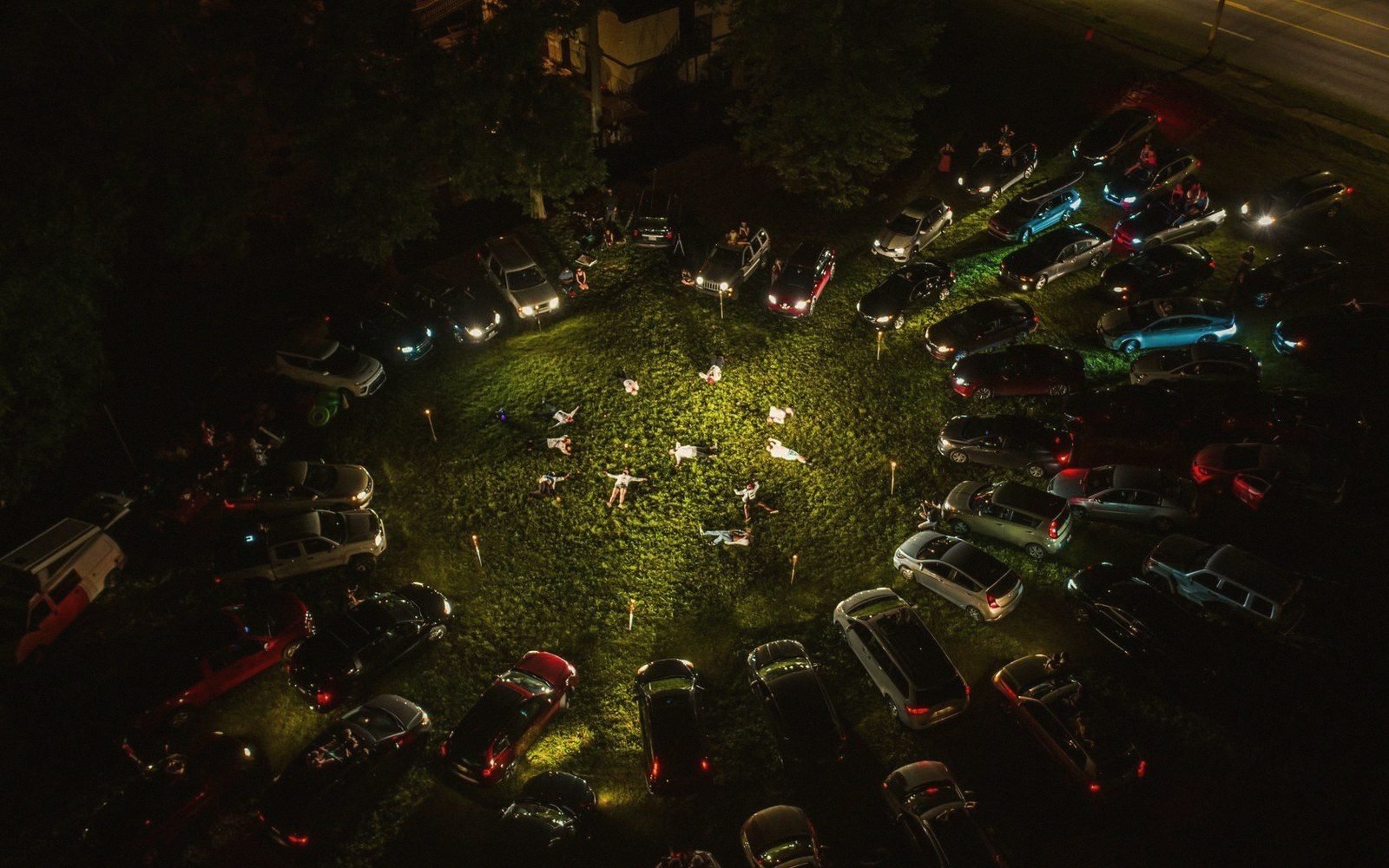
The chairs face inward because the circle, not a stage, decides who plays next.
Photo: K / PexelsThe discipline this demands is significant and often underestimated. A player accustomed to being miked individually, with a technician managing the level, may find the physical awareness required genuinely disorienting at first. You are responsible for your own volume. You are also responsible for watching the other players, reading where they are relative to the microphone, and adjusting accordingly — all while playing the music, holding the tempo, delivering the harmony, and not stepping on someone else's feet. The circle of attention running among five players in this arrangement is constant and multi-directional.
It is also, those who know it well tend to agree, deeply musical. Because the adjustment is instantaneous and bodily, it stays inside the rhythm. A player does not stop to balance anything; the balance is maintained as part of the act of playing, the same way a breath is taken as part of singing rather than instead of it. The mix is not imposed on the music from outside — it is continuous, collaborative, and embedded in the performance itself.
This is the practical constraint that became an aesthetic: one microphone was a limitation of technology, and the choreography it demanded turned out to produce something that proximity and isolation could not. The arrangement that emerged from necessity, and the reason it survived, turns out to encode something about what it sounds like when musicians are genuinely listening to each other, in a room, together. The engineer who isn't there turns out not to be missing.
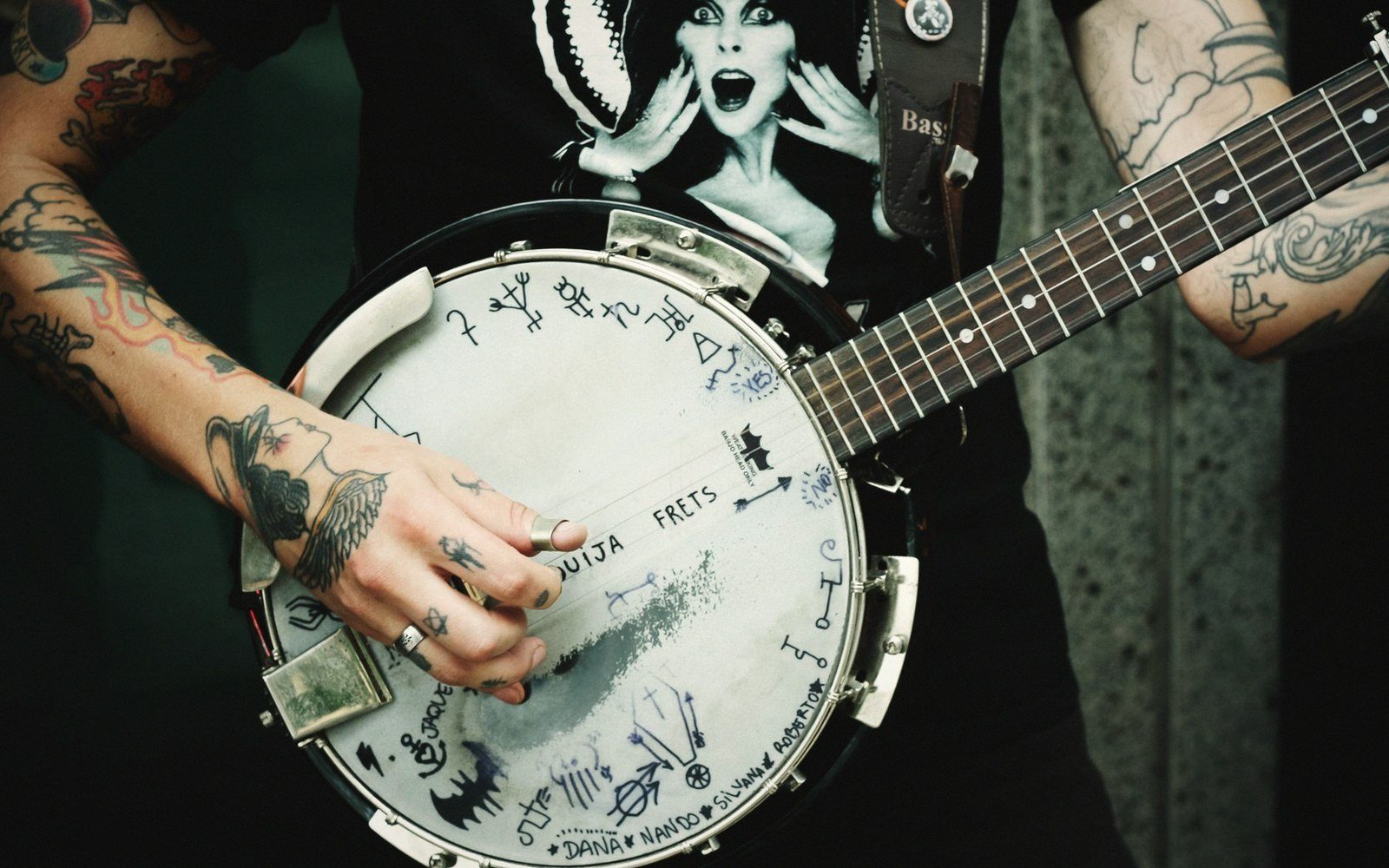
The head is a drum. It is also why the banjo player stands furthest from the microphone.
Photo: Matheus Ferrero / PexelsFiled in The Mic