
The part is written at the top of the singer’s comfortable range on purpose. The strain is the point.
A voice pushed to the edge of its range, where the tone thins and the air comes in.
Where the sound lives
The high lonesome is not a technique so much as a register — the upper reach of a singer's comfortable range, where the voice loses warmth and gains something harder to name. Pressure is part of it. The singer is not straining past their limit but working at the very top of what holds, where the timbre narrows, breathiness creeps in at the edges, and what comes out sounds exposed in a way that a relaxed, centred tone never does.
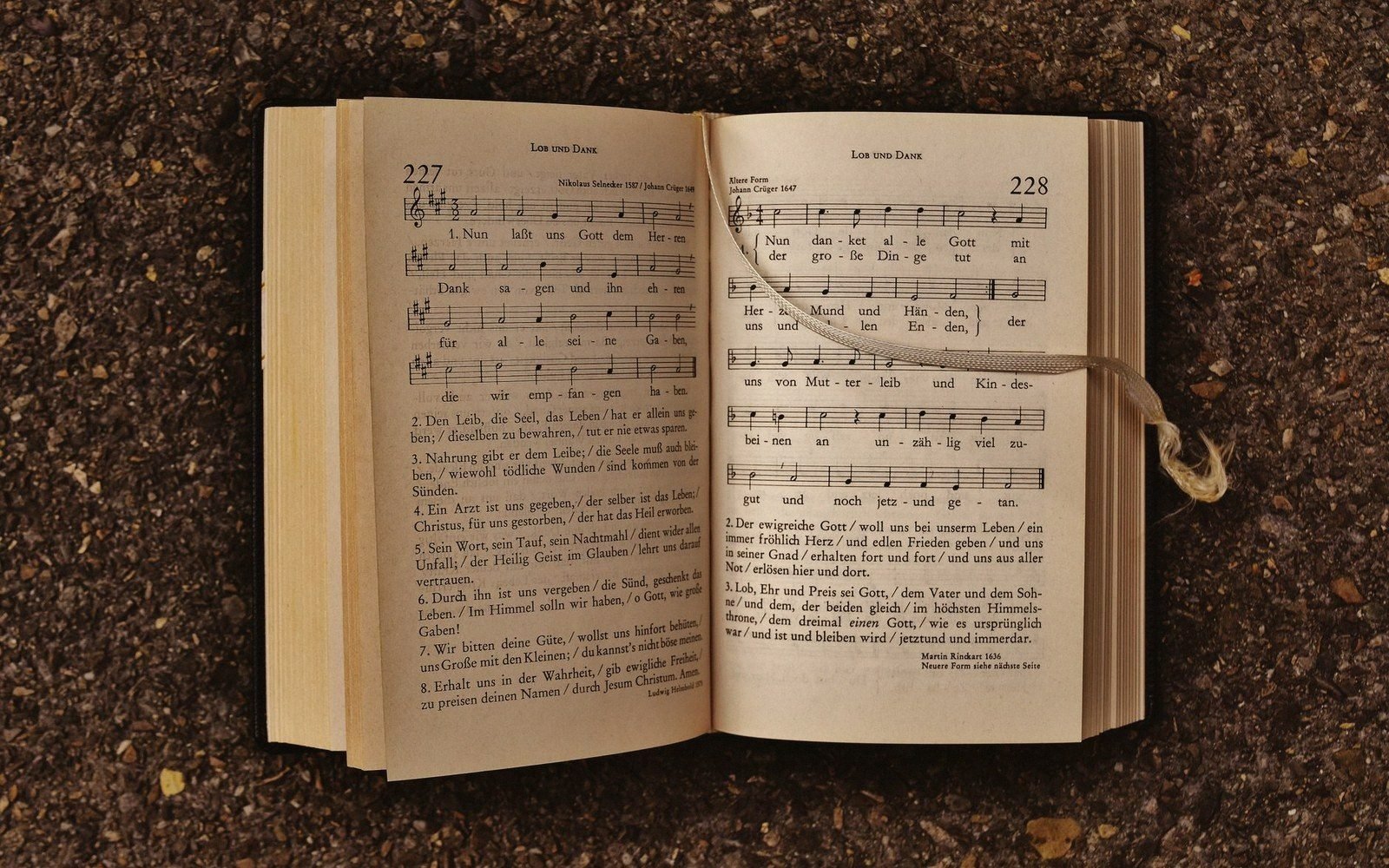
Printed collections record the repertoire. They do not define it.
Photo: Pixabay / PexelsBill Monroe built his vocal identity there. His tenor sat above most lead singers of any era, and he pushed it further still — into a range that made the voice feel solitary, suspended, geographically high. When people reached for a word to describe that specific quality, high lonesome was what stuck. It named both the pitch and the emotional texture at once: elevation and isolation as a single sensation.
What the arrangement does with it
The harmonic context matters. The high lonesome voice is almost always heard above a second part — the lead melody sits underneath, and the tenor stacks above it, which means the listener hears the fuller sound of the chord first and then the upper voice cutting through it. That relationship is what makes the thinness of the tone useful rather than merely exposed: it separates itself from the blend and carries.
In the classic quartet arrangement, the tenor sits above the lead while the baritone and bass fill below. The high lonesome voice occupies the topmost position in that stack, and the slight rawness at that register stops the harmony from sounding polished. Bluegrass harmony is not meant to be smooth. The slight abrasion of voices at their upper edges is what gives the chord its ache.
The sound also travels. In an arrangement built around a single microphone, a voice that thins at the top still projects clearly — partly because the upper partials in a pushed voice cut through a mix more readily than a warm, rounded chest tone. The acoustic physics reinforced what the emotional instinct had already chosen.

A stage set for one microphone: the marks on the floor are the arrangement.
Photo: Wendy Wei / PexelsFiled in The Harmony