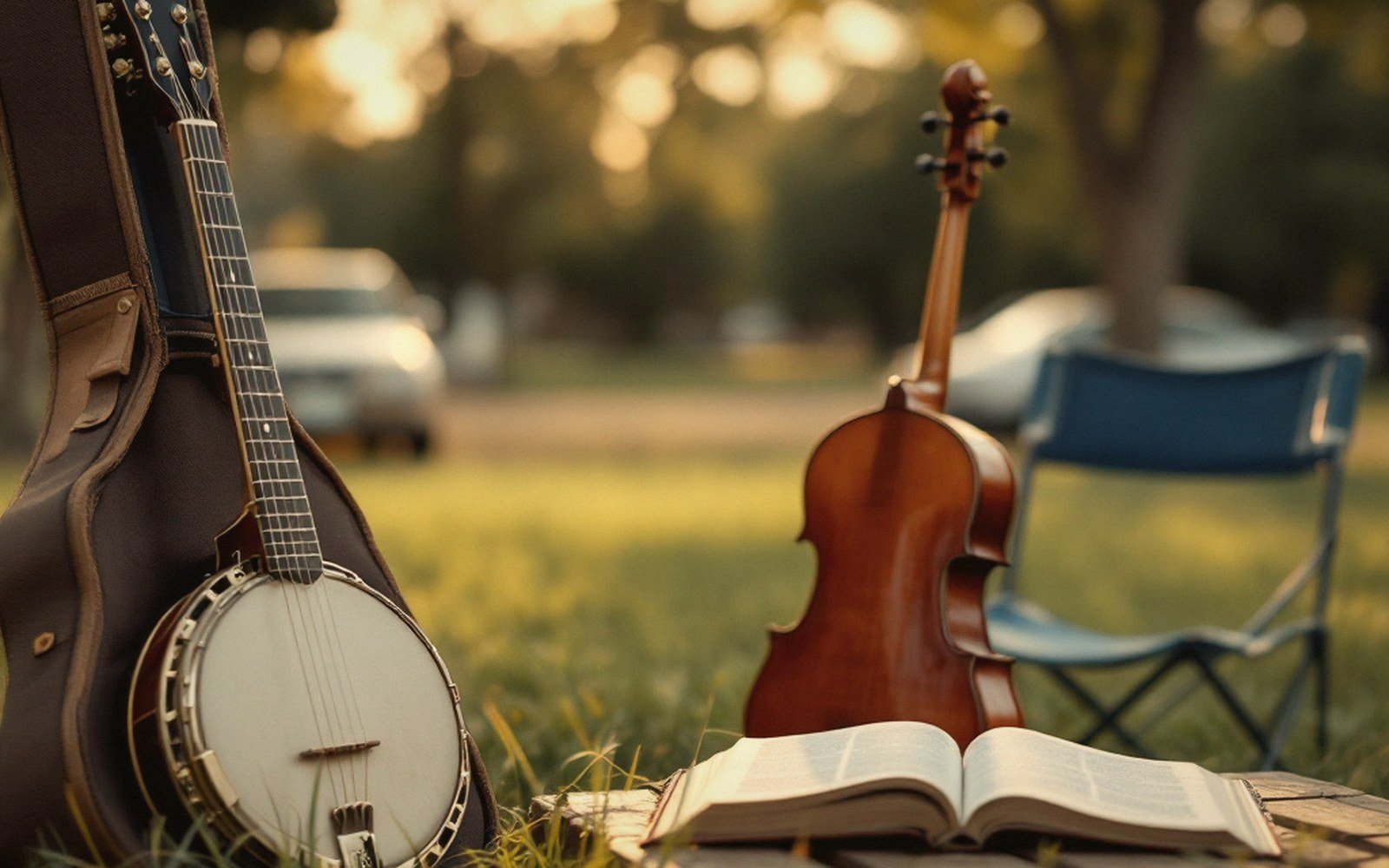
The fiddle works the gaps at the ends of sung lines, then takes the whole eight bars when the break comes.
The instrument that speaks when the voice goes quiet.
What the fiddle is doing
A vocal phrase ends. There is a gap before the next line begins. In most popular music, that gap is filled by the band continuing underneath — drums, bass, chords rolling forward. In bluegrass, the fiddle steps into it.
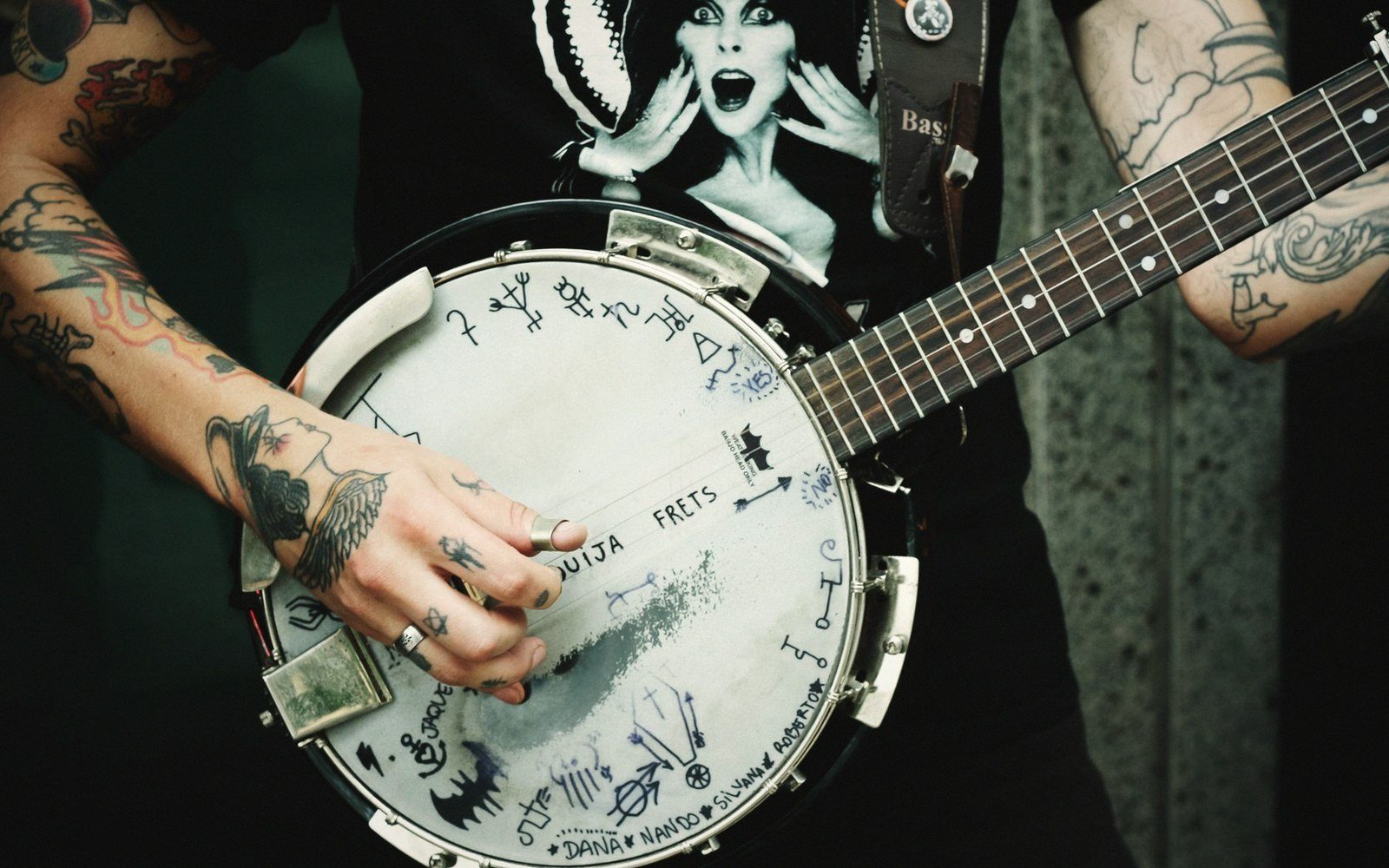
The head is a drum. It is also why the banjo player stands furthest from the microphone.
Photo: Matheus Ferrero / PexelsThis is called a fill, and the fiddle's version is closer to a conversation than an ornament. The singer states something; the fiddle responds. The pattern is old enough that it has a name borrowed from West African and Anglo-Celtic practice alike: call and response. Bluegrass did not invent it, but the one-microphone arrangement gives it unusual clarity, because when the voice drops away there is nothing else covering the space. The fiddle is suddenly loud in the room and has to mean something.
The phrases it plays are short — four beats, sometimes two, rarely more — and they tend to mirror the melodic contour of the line that just ended. If the vocal rose, the fill often falls. If the lyric landed on a held note, the fiddle might answer with a short run that resolves the tension the voice left hanging. A skilled fiddle player is listening to the words, not just counting bars.
This is why fiddle fills are learned by ear and treated as compositional choices, not improvised decoration. Classic recordings — early Bill Monroe and His Blue Grass Boys sides, the first Flatt and Scruggs sessions for Mercury in the late 1940s, later Chubby Wise playing behind Bill Monroe's vocal on "Blue Moon of Kentucky" — show the fills locked in as tightly as the melody itself. They have been reproduced nearly note-for-note ever since, because they are correct: they answer the voice.
The fiddle also fills between verses, in the small seconds before the band arrives at the next section. That half-breath of space is enough for three or four notes that keep the forward motion going — not a solo, not quite a lick, just the fiddle doing what it has always done: keeping the silence from feeling empty.
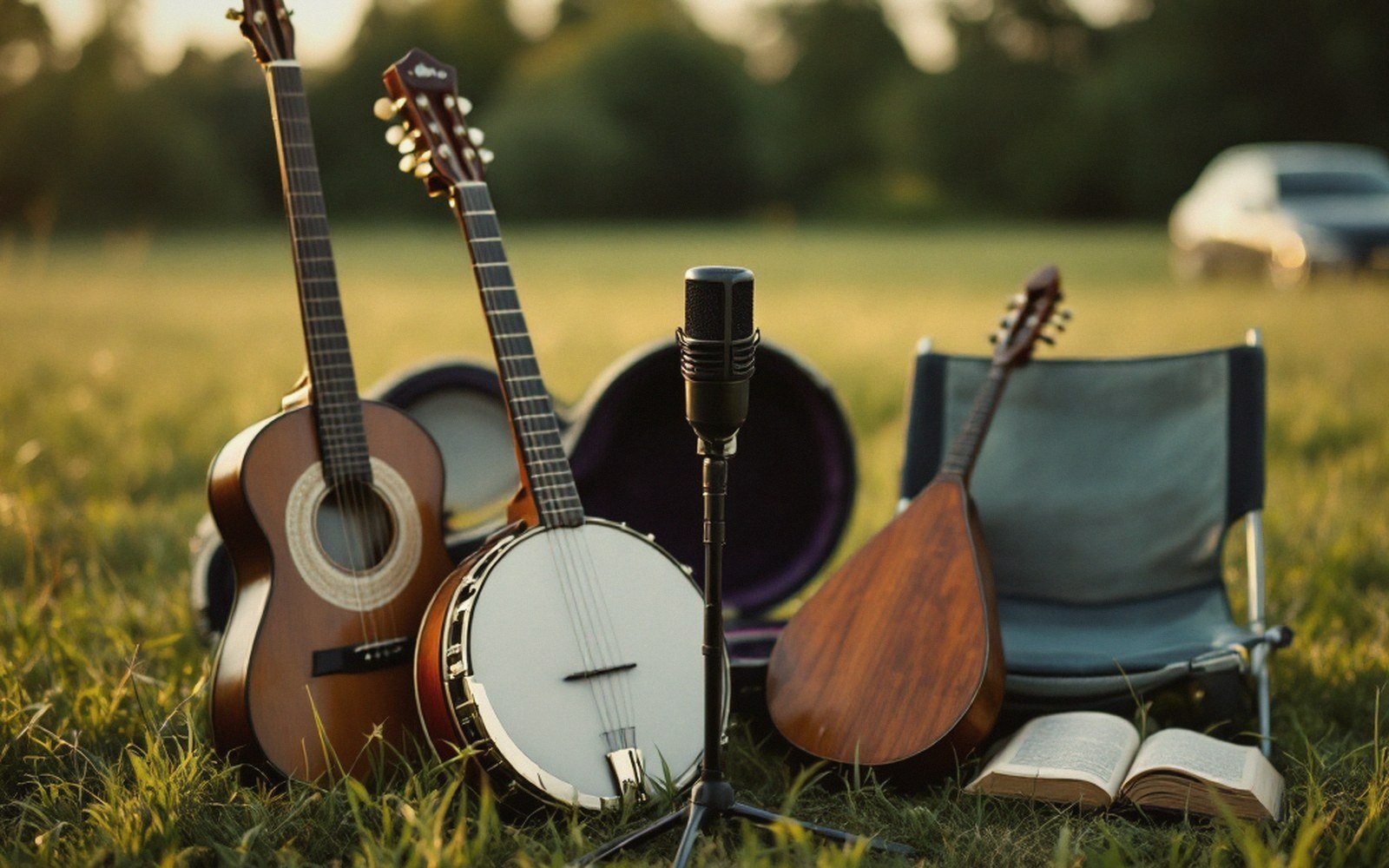
One capsule for the whole band. Everything the audience hears is a decision about distance from it.
Filed in The Instruments