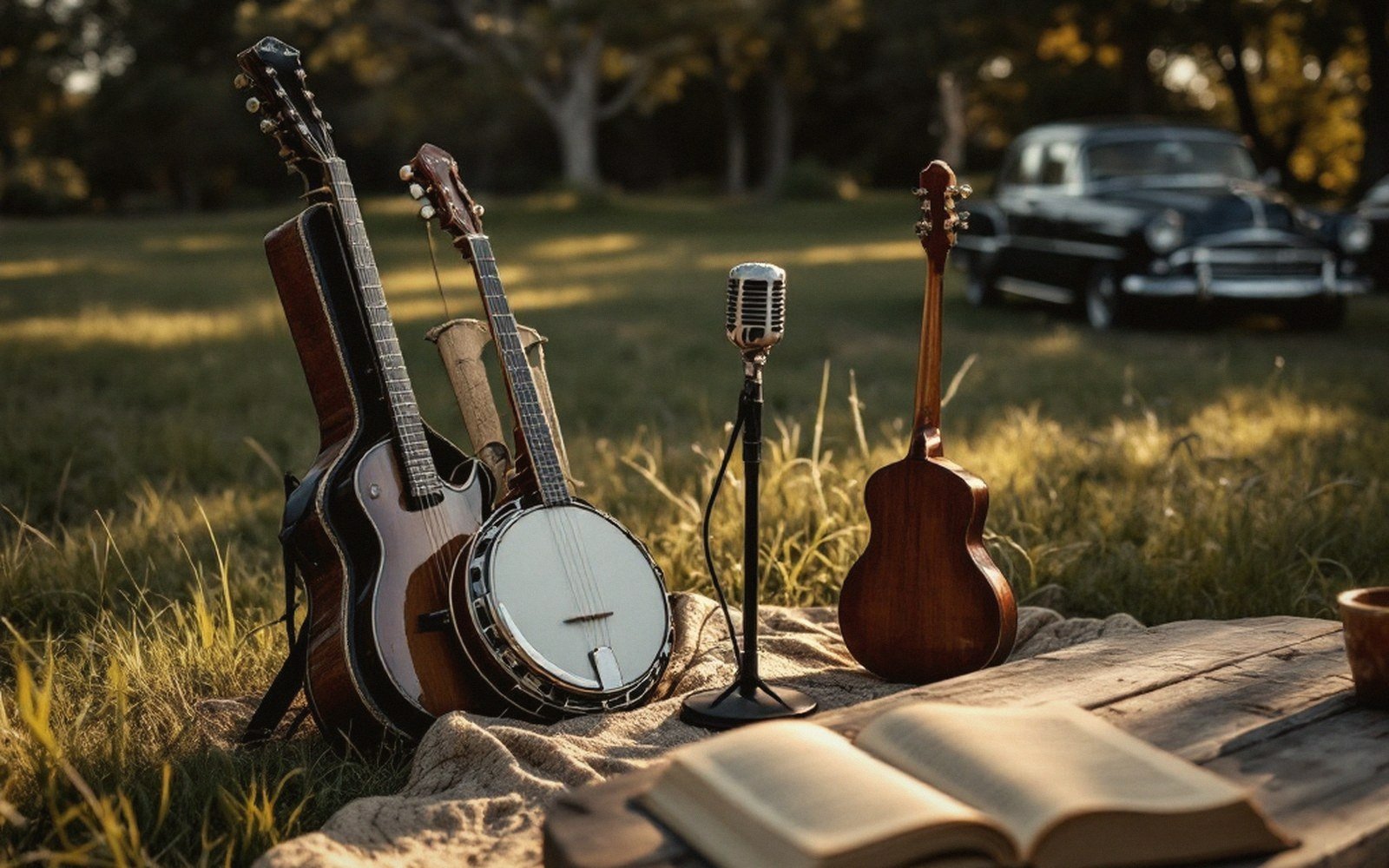
Held deliberately under tempo, so players who cannot yet hold the pace can still hold the form.
A circle run deliberately under tempo so more people can join
A slow jam looks like a regular picking circle with one thing adjusted: the tempo is pulled down far enough that a player who is still assembling the tune note by note can get there without wrecking the groove. The adjustment is small in appearance and large in consequence.
In a standard car park jam, the speed floats toward whatever the most confident players want to push. That is fine for a closed circle of peers; it quietly excludes anyone still building fluency. The slow jam inverts the priority. Tempo becomes a tool of inclusion rather than a measure of accomplishment, and the circle reorganises itself around that single decision.
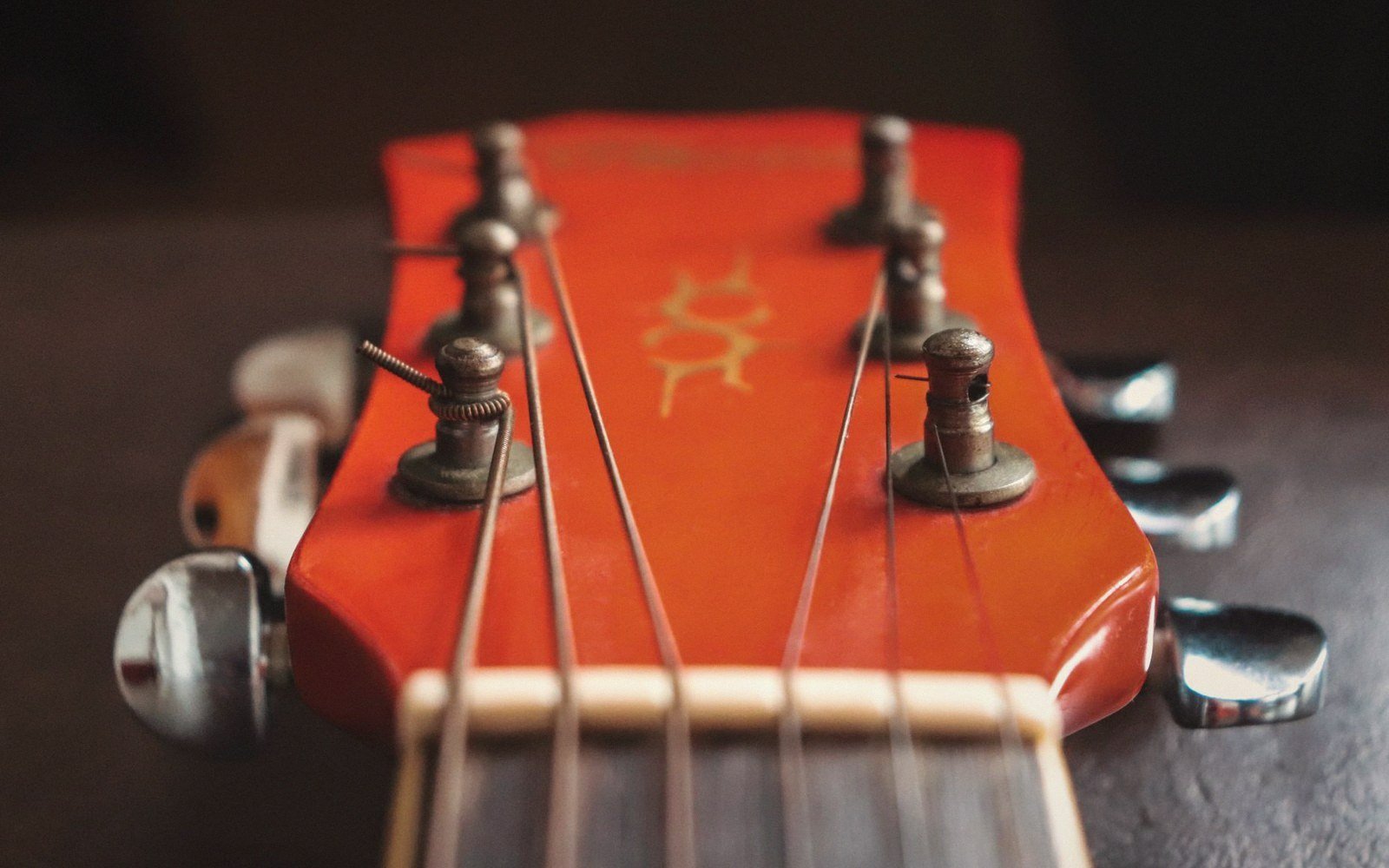
The metal cone under the top is what lets a resonator carry over a full band.
Photo: Harvey Tan Villarino / PexelsThe target is not a crawl. Good slow jams settle at a pace where the rhythmic skeleton — the pulse, the chop on the offbeat, the bass-string thump — stays intact and audible. Strip the tempo too far and the groove collapses into a series of isolated events; nobody feels the music pulling forward. The working range for most traditional bluegrass material is loose, but the feel has to be present. Players leading a slow jam learn to find the floor: slow enough to be useful, fast enough to still be music.
What this does for a newer player is give the fretting hand time to complete its work before the next beat arrives. In regular tempo, a chord change that arrives a fraction late creates a small collision; in a slow jam it costs much less, and the player can hear where they went wrong without losing the thread entirely. The ear gets to work alongside the hands rather than chasing them.
For stronger players the slow jam is a different kind of exercise. The impulse to fill space is strong, and slow tempo exposes it. A banjo roll that works as texture at speed becomes a row of separately audible notes when the tempo drops; a fiddle player used to skating over transitions has to actually negotiate them. Some experienced players find a slow jam more demanding in certain ways, and play accordingly — simpler, cleaner, less.
What keeps it from becoming remedial is that it is not. Slow jams run well when no one is being condescending about it, when the song choices sit inside a common repertoire that new players have likely encountered, and when the tempo is returned to normal at the end of a tune rather than held there indefinitely. A circle that runs slow for half the night and fast for the other half is doing something more useful than either would do alone.
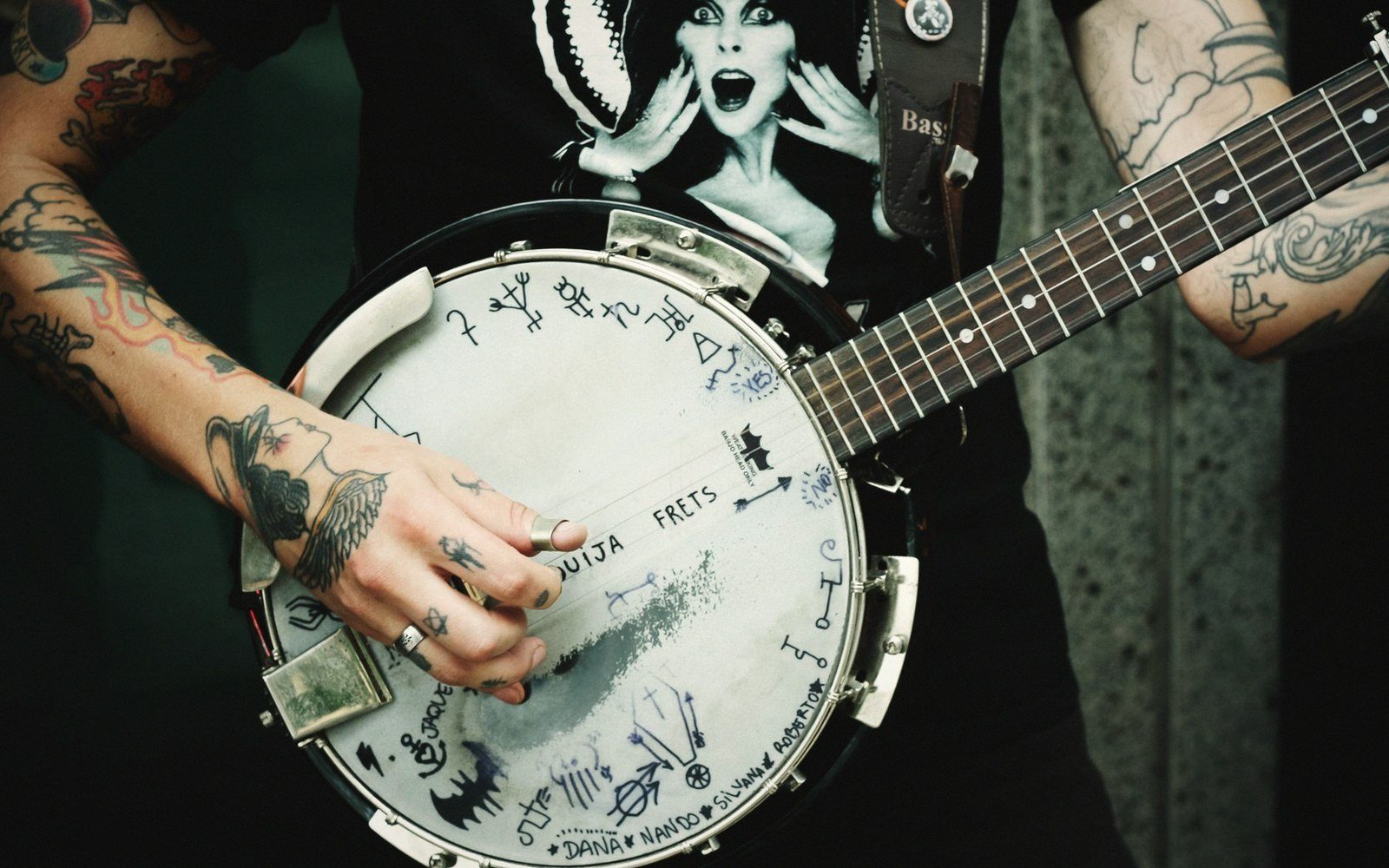
The head is a drum. It is also why the banjo player stands furthest from the microphone.
Photo: Matheus Ferrero / PexelsThe tempo is the one variable the circle controls collectively. In a slow jam, the circle uses it deliberately.
Filed in The Circle